

Volatility rises with shifting data and sentiment, but disciplined planning and event-based analysis help investors make smarter decisions.
Trading Strategies
November 20, 2025


Table of Contents
Market volatility often makes investors uneasy, especially when prices swing sharply and confidence fades. Yet volatility is a natural part of every market cycle.
It reflects how quickly and how much prices change, driven by shifts in sentiment, global events, or new data that reshape expectations.
While uncertainty can feel uncomfortable, volatility also brings opportunity. Experienced investors view it as a signal to adjust positions, uncover value, or identify new entry points.
The difference between reacting in panic and responding with purpose lies in preparation.
In this blog, we’ll explore how investors approach volatile markets with practical, data-backed strategies. You’ll learn how to manage risk, protect gains, and identify opportunities when prices move sharply.
Markets move when new information changes how investors see value. Sudden shifts in data, events, or sentiment can lead to quick price swings.
Markets tend to reprice quickly when new information challenges earlier assumptions. Knowing what drives those movements helps investors make better choices during uncertain periods.
Key factors that often cause volatility include:
Periods of market uncertainty can feel unpredictable, but they often follow clear patterns. When investors understand these triggers, they can manage risk more effectively and adjust their investment strategy to match their risk tolerance and financial goals.
Volatility shows how much prices move over time. It tells investors how steady or unpredictable the stock market feels during different market conditions. Understanding it helps shape smarter investment decisions and builds confidence when prices shift quickly.
Historical volatility looks at past price movements. It shows how an asset reacted to earlier economic or market downturns.
Reviewing these movements helps investors identify patterns and prepare for how similar conditions might affect their investment portfolio in the future.
Implied volatility reflects what traders expect next. It comes from option prices and signals how much change the market anticipates ahead.
A higher level often means investors expect sharper swings in stock prices, while lower levels suggest calmer financial markets.
The VIX, sometimes called the fear gauge, tracks expectations for near-term equity market movement. Rising numbers can point to growing uncertainty, while steady readings often show more stable investor sentiment.
Rapid changes in the secondary market can widen spreads and raise execution risk during periods of stress.
Different assets react differently to volatility. Fixed income securities often move less than equity securities, while alternative investments like real estate investments or private equity can behave differently through each business cycle.
Index funds that track the S&P 500 can experience less short-term market volatility than individual stocks, yet they still reflect overall market risk and investor sentiment.
When you understand those differences, it supports balanced asset allocation and aligns each position with your risk appetite and time horizon.
Volatility doesn’t define success. Investors who understand its behavior can manage market risk, stay patient through short-term swings, and focus on long-term growth that fits their financial goals.
Investors respond to volatility in two distinct ways. Some stay patient through full market cycles, guided by long-term goals. Others trade around short-term movement, using data to capture opportunities in price swings.
Both approaches rely on structure. Preparation replaces emotion, and every move connects back to a plan. Each investor type uses volatility differently, but the disciplined mindset remains the same.
Here’s how each group prepares and acts when volatility rises.
Long-term investors focus on endurance, not reaction. They build portfolios that can absorb shocks and still meet their investment objectives over time.
Long-term success depends less on prediction and more on discipline. Staying grounded in fundamentals allows investors to manage uncertainty with confidence.
Short-term traders approach volatility as information. They monitor catalysts that drive price changes and act quickly when conditions align. Each move reflects preparation, not speculation.
Short-term success comes from measured execution and clear boundaries. The best traders focus on verified data, not reactions to the latest headline.
Every investor experiences volatility differently, but structure builds confidence. These strategies focus on control, using data, preparation, and perspective to guide decisions instead of emotion.
Plan entry and exit levels in advance to remove emotion from the decision. Pre-set contribution amounts, stop-loss levels, or rebalancing triggers help you stay disciplined when markets turn uncertain.
Investors who plan ahead act faster and with more confidence during a market downturn. Consulting a financial advisor can also help tailor your plan to fit your goals and personal risk profile.
Volatile markets shift portfolio weights. Revisit your mix of asset classes, such as equities, fixed income, and alternative investments, to keep exposure aligned with your objectives.
Rebalancing locks in gains from outperforming assets and adds to areas that may recover next. It also helps manage reinvestment risk and maintain balance across your portfolio as market conditions evolve.
Cash reserves protect against forced selling and create opportunity when valuations improve. Holding short-term bonds or a fixed-income security sold position provides flexibility to reinvest when yields or opportunities change.
Maintaining liquidity also reduces exposure to unnecessary volatility and supports a consistent wealth management strategy.
Market noise often magnifies short-term fear. Instead, review company earnings, balance sheets, and credit quality. Firms with strong fundamentals and consistent cash flow usually navigate volatility more effectively than speculative investments.
Investors tend to overreact to temporary declines, but focusing on measurable value supports steadier outcomes across the broad market.
Spreading exposure across traditional investments like equities and bonds, along with measured alternatives such as real estate or commodities, helps stabilize returns through the business cycle.
Diversification limits the impact of any single market correction or interest rate change. Working with a financial advisor who understands complex tax structures and can assist in distributing important tax information may further improve long-term consistency.
Investment decisions should fit your financial goals, not daily price changes. A longer time horizon allows for patience through volatility, while shorter goals may call for defensive positioning or liquidity.
Your tax burden and income needs also shape which strategies make sense over time, reinforcing the value of ongoing legal or tax advice to match investments with your personal situation.
Data clarity prevents reactionary mistakes. Tools like LevelFields help investors track how specific events such as earnings surprises, policy shifts, or leadership changes have historically affected prices.
This approach adds structure to decisions and keeps attention on verifiable information rather than noise. Aligning these insights with your financial plan and wealth management goals supports long-term confidence through changing conditions.
Volatility tests patience and structure. Some investors react to every price change, while others pause long enough to understand what caused it. The second group holds an advantage. They act on data, not emotion.
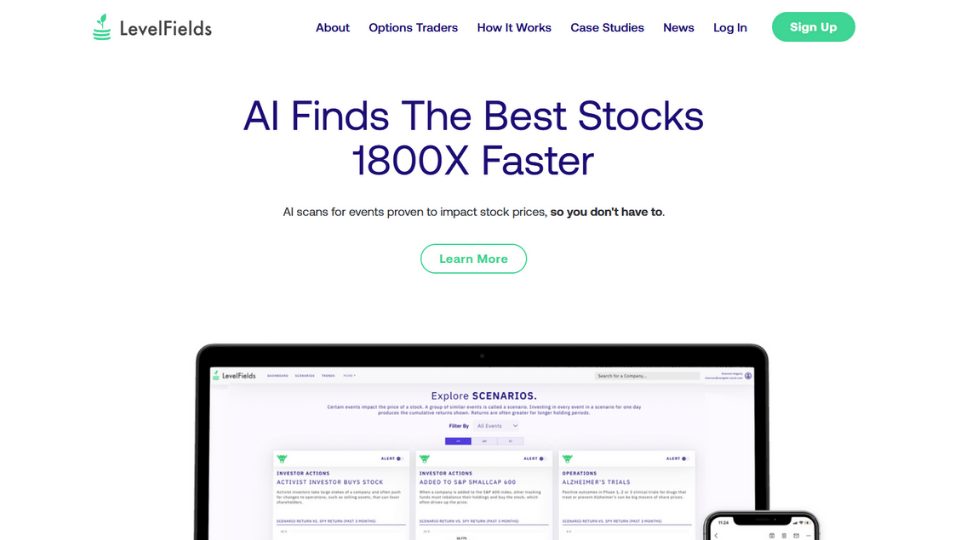
LevelFields helps investors stay in that position of control. The platform tracks more than six thousand companies and analyzes twenty-four categories of market-moving events.
These include earnings surprises, stock buybacks, leadership changes, mergers, and policy updates that often shape the next move in the market.
Each event is compared against historical behavior to reveal how similar announcements affected prices in the past. The process mirrors how top firms and investment professionals study catalysts that trigger price volatility across sectors.
When interest rates rise or credit conditions shift, LevelFields highlights events that often precede changes in company performance. It highlights how those shifts ripple through the bond market, the equity markets, and the broader economy.
Join LevelFields now to be the first to know about events that affect stock prices and uncover unique investment opportunities. Choose from events, view price reactions, and set event alerts with our AI-powered platform. Don't miss out on daily opportunities from 6,300 companies monitored 24/7. Act on facts, not opinions, and let LevelFields help you become a better investor.

AI scans for events proven to impact stock prices, so you don't have to.
LEARN MORE