

Learn what self-directed investing is and explore the steps to get started. Discover how LevelFields can help you make smarter investments.
Trading Strategies
November 20, 2025


Table of Contents
Investing used to mean handing your money to someone else and hoping they made the right call. That model is changing fast. Many investors now want more than passive participation. They want understanding, control, and direct involvement in their financial decisions.
Self-directed investing gives that control back. Instead of relying on managed portfolios or third-party decision-makers, investors build and manage their own investment paths. They choose where their money goes, when to act, and how to adapt as markets shift.
Confidence comes from clarity, not complexity. As access to reliable market data grows, more investors are discovering that independent investing can be both practical and rewarding.
In this article, we’ll explore how self-directed investing works, what it offers, and how investors can use data-driven tools like LevelFields to make smarter choices and stay in control of their portfolios.
Self-directed investing, also known as DIY investing, means taking control of your own investment decisions rather than relying on financial advisors or managed funds.
It allows you to decide where your money goes, what assets to include, and how each choice supports your financial goals.
Traditional investing often involves professionals handling portfolios through preset strategies. In contrast, self-directed investors research the market, assess opportunities, and construct their own investments based on their experience, confidence, and risk tolerance.
A self-directed brokerage account is usually the starting point. It provides access to stocks, mutual funds, exchange-traded funds (ETFs), and other investment options that align with personal objectives.
Some investors also open a self-directed individual retirement account (IRA) or other custodial accounts to broaden their investment reach.
The aim is to shape a diversified portfolio that reflects your financial situation and outlook. One built through informed decisions rather than default management.
Managing your own investments offers freedom and flexibility, putting you in control of your financial future, though it also brings new responsibilities that require focus and structure.
Understanding both sides helps shape a steady mindset before moving deeper into your investment journey.
Taking control of your own investment portfolio can be rewarding when approached with patience and discipline.
Below are a few advantages that help self-directed investors build confidence and long-term skills.
DIY investors make their own investment decisions and adjust them based on personal goals and market conditions.
They decide how to shape an investment portfolio, what investment products to include, and which asset classes to explore.
Managing investments independently can reduce management fees and indirect fees often charged by investment advisory services.
Many brokerage accounts now provide low-cost or commission-free trading, including options for automated portfolio management, helping investment professionals retain more of their returns.
A self-directed account gives access to mutual funds, exchange-traded funds, fixed income investments, and index funds. This range supports a diversified portfolio that matches financial goals and risk tolerance.
A hands-on approach helps investors see how market trends, interest rates, and company events influence performance.
Over time, experienced investors gain confidence through their own research and review of past performance.
Managing investments independently also introduces challenges and risks that require awareness and preparation.
Knowing these potential setbacks early helps reduce frustration and build realistic expectations.
Getting started with self-directed investing begins with clarity and preparation. Investors often focus on five key steps that help them build structure, set direction, and make informed investment decisions.
A strong foundation supports long-term stability. Paying down high-interest debt and setting aside emergency savings helps investors manage short-term needs without interrupting their investment strategy.
Once essential expenses are covered, the focus shifts to consistent contributions that match personal goals and financial comfort.
Clear goals give every investment purpose. Decide whether your investment objectives center on growth, income, or diversification.
Understanding risk tolerance is a key part of personal finance, helping you determine how much volatility you can accept.
A longer time horizon allows more exposure to growth-oriented asset classes, while shorter timelines often call for fixed-income investments or conservative positions.
A self-directed brokerage account gives access to options tailored to your personal preferences. Investors can explore different platforms to find the best investing solution based on features, fees, educational resources, and personalized support.
The goal is to find a solution with reasonable minimum investment thresholds through a reliable registered broker-dealer that supports flexibility and transparency without unnecessary fees.
Many active traders who self-direct build conviction through deep market understanding. Study financial markets, review company fundamentals, and compare past performance before making any investment choices.
Diversifying across asset classes helps manage market risk and create balance. Many brokerage accounts also offer investment tools that make market analysis easier for individual investors who prefer a hands-on approach.
Once your investing account is active, review performance regularly and compare it against your financial goals. Avoid reacting to market fluctuations or short-term noise.
Consistent review encourages better awareness of market trends, while data-driven insights help refine your financial strategy over time.
Once your foundation is built, the next step is consistency. Success in self-directed investing comes from disciplined habits, clear logic, and data-based awareness of market behavior.
These strategies help you think like an independent investor, not a trader chasing every move.
A sound investment approach requires every investor to have a structured and disciplined approach. Build a simple system that defines when you review, how you evaluate, and what triggers action.
Systems remove emotion and help maintain balance during market volatility. They turn investing into a repeatable process rather than a reaction to daily noise.
Owning fewer, well-researched positions often leads to better results than spreading capital too thin. Study the fundamentals that signal strength: consistent earnings, manageable debt, and sustainable dividends.
Whether you choose mutual funds, index funds, or direct equities, aim for investments with long-term stability and clear financial records.
Even a strong portfolio needs review. Markets shift, and asset weights drift over time. Rebalancing keeps your diversified portfolio aligned with your financial goals and risk tolerance.
This review can reveal whether your current holdings still fit your financial strategy or if your exposure to certain asset classes has become uneven.
Successful self-directed investors study market events that shape price action. Company buybacks, leadership changes, and policy updates often signal future movement.
Tracking event data provides insight into market sentiment and helps you anticipate shifts or opportunities for reverse trading with logic instead of speculation.
Emotion causes overtrading and poor timing. Rely on performance metrics, not headlines, to make decisions. Use research tools that summarize patterns and past performance clearly.
When you respond to facts, not fear or excitement, your investment decisions become sharper and more consistent.
Self-directed investors need clear signals, not noise.
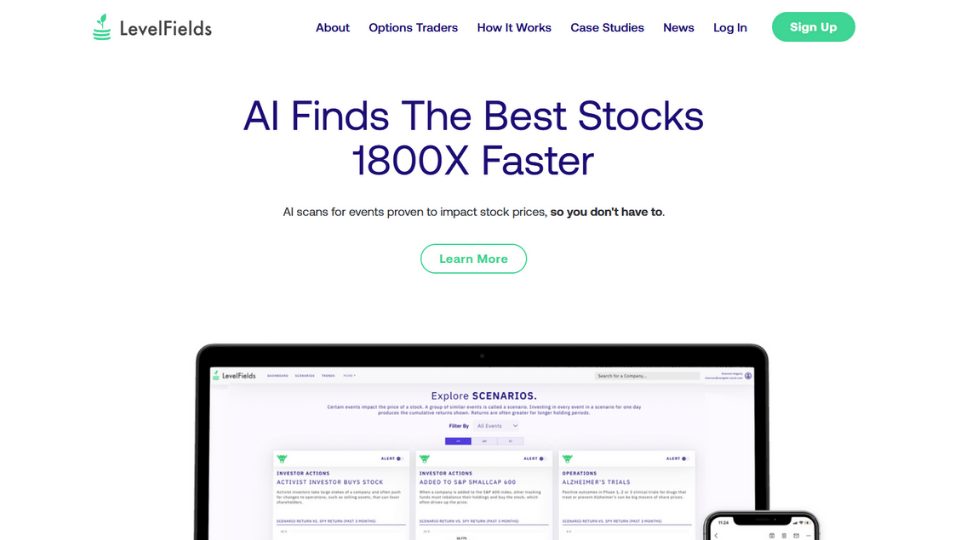
LevelFields tracks 6,300 listed companies and analyzes 24 event categories that often precede price movement, then compares each event against five years of outcomes to show typical entries, exits, and hold times.
Research that once took a weekend compresses into minutes, which helps investors act with structure and protect their plan.
Relevance to the topic is direct. Event patterns highlight market movers and turn headlines into probabilities that fit your risk tolerance and investment objectives.
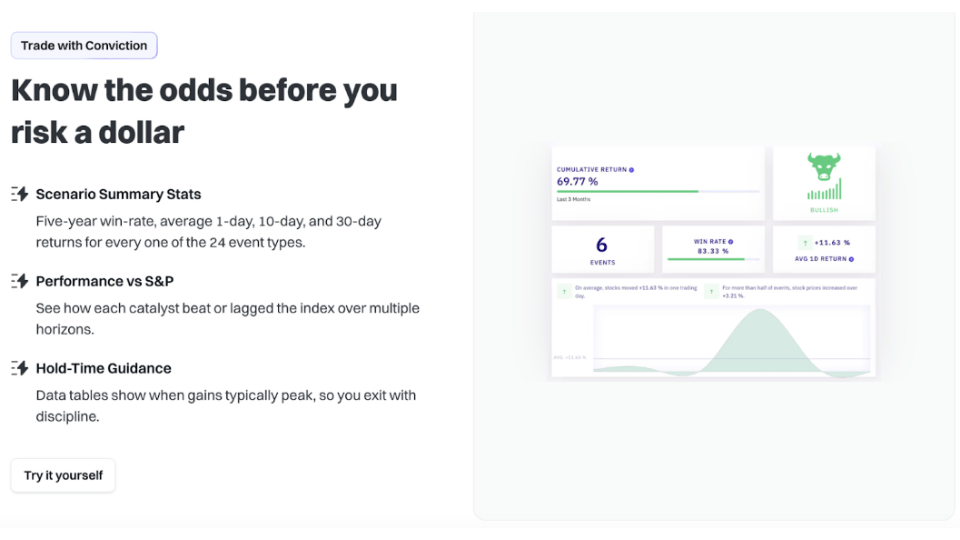
The platform surfaces AI alerts on catalysts such as buybacks, leadership changes, index moves, and contract wins, then displays historical win rates and average returns over 1, 10, and 30 days.
Coverage runs continuously and evaluates millions of signals per month, which helps investors align an investment strategy across watchlists and multiple accounts without guesswork.
Self-directing investing rewards investors who act on facts. LevelFields gives that edge with numbers that fit a disciplined process, helping you shape a diversified portfolio, refine investment choices, and stay aligned with your plan through shifting market trends.
.png)
Independent investing works best with structure, patience, and clear signals. Confidence grows when decisions follow a process that respects risk and rewards discipline. The goal is simple: act on facts, not noise.
LevelFields helps you keep that edge. Event patterns, historical stats, and focused alerts turn headlines into useful decisions you can stand behind. You stay in control while the platform does the heavy lifting on research.
Trade the signal with data you can trust. See how LevelFields speeds up research 1800x and start with signals that fit your style!
Self-directed investing can be a good idea for people who want full control over their investment decisions. It allows investors to manage portfolios without relying on human advisors or traditional financial advisory services.
However, success depends on discipline, research, and understanding the Securities and Exchange Commission (SEC) rules that govern trading activity.
The amount varies based on return expectations, market conditions, and how you typically invest. For example, a consistent 6% annual return may require around $200,000 in invested capital.
Many self-directed investors build up to that goal gradually, using diversified assets and regulated investment and insurance products.
Self-directed investments are assets chosen and managed by the investor rather than an advisor. These can include stocks, ETFs, bonds, and other investment and insurance products held in a self-managed account.
Most platforms offering self-directed options are registered under the Securities and Exchange Commission for transparency and investor protection.
Growing $10,000 into $100,000 requires time, consistent contributions, and a clear investment plan. Many investors achieve this through compound growth, reinvested dividends, and steady portfolio management.
Using reliable tools instead of a financial advisor helps reduce costs and increase independence, while choosing brokers that may offer a cash bonus or operate as a wholly owned subsidiary of larger financial institutions can add trust and value.
Many large banks that offer self-directed brokerage services also operate mortgage businesses and carry the Equal Housing Lender (EHL) designation. That label applies to their lending units, while brokerage activity remains regulated under federal securities rules.
Join LevelFields now to be the first to know about events that affect stock prices and uncover unique investment opportunities. Choose from events, view price reactions, and set event alerts with our AI-powered platform. Don't miss out on daily opportunities from 6,300 companies monitored 24/7. Act on facts, not opinions, and let LevelFields help you become a better investor.

AI scans for events proven to impact stock prices, so you don't have to.
LEARN MORE